





|

Manchester | Cheshire

Latest News

Are you searching for a revolutionary treatment to rejuvenate your skin without invasive surgery? Morpheus8 might just be the solution you’ve been waiting for. At CLNQ clinic in Manchester, we’re thrilled to offer an exclusive Morpheus8 special offer designed to help you achieve radiant, youthful skin at an affordable price. What Makes Our Morpheus8 Special …

Are you searching for a revolutionary treatment to rejuvenate your skin without invasive surgery? Morpheus8 might just be the solution you’ve been waiting for. At CLNQ clinic in Manchester, we’re thrilled to offer an exclusive Morpheus8 special offer designed to help you achieve radiant, youthful skin at an affordable price.

What Makes Our Morpheus8 Special Offer Unmissable?

We understand that exceptional skincare shouldn’t break the bank. That’s why we’ve crafted an irresistible offer to make Morpheus8 accessible to more people than ever before. Our special offer includes:

  • Up to 50% Off standard treatment packages
  • Free Initial Consultation to assess your skin and customize your treatment plan
  • Offers on Packages to reduce the cost of having multiple sessions

Why Choose Morpheus8 for Skin Rejuvenation?

Morpheus8 combines advanced microneedling technology with radiofrequency energy, delivering unparalleled results in skin tightening and rejuvenation. This treatment targets deeper layers of the skin to stimulate collagen and elastin production, essential components for maintaining youthful and healthy skin.

Morpheus8 effectively treats:

  • Fine lines and wrinkles
  • Sagging skin
  • Acne scars
  • Uneven skin tone and texture
  • Enlarged pores
  • Stretch marks and cellulite

CLNQ Morpheus8 Offers

At CLNQ, we have great new offers on Morpheus8 single sessions and packages. These offers include:

Morpheus8 Face and Neck

  • 1 Session full face : £400 (Previously £750)
  • 3 sessions Full face : £960
  • 1 session  Neck : £350 (Previously £750)
  • 3 sessions Neck : £840

Morpheus8 Prime Eyes

  • 1 session : £250 (Previously £400)
  • 3 sessions : £600

Morpheus8 Face, Neck and Eyes

  • 1 session : £550 (Previously £1250)
  • 3 sessions : £1500

Morpheus8 Body

  • 1 session : £500 (Previously £950)
  • 3 sessions : £1500

The Morpheus8 Treatment Experience

Your Morpheus8 journey begins with a comprehensive consultation to understand your skincare concerns and goals. During the treatment, you’ll experience minimal discomfort, thanks to topical numbing creams. Our specialist doctors can also provide nerve blocks that aim to reduce pain or discomfort. Sessions typically last between 30 to 60 minutes, depending on the treatment area.

Post-treatment, you can expect minor redness and mild swelling, similar to a mild sunburn. Most patients comfortably return to their daily activities within a day or two.

Why CLNQ Manchester Clinic Stands Out

Choosing us for your Morpheus8 treatment means benefiting from:

  • Highly trained and experienced specialists and doctor led treatments
  • State-of-the-art facilities and the latest technology
  • Personalised treatment plans tailored to your specific skin type and concerns
  • Exceptional patient care, before, during, and after your treatment

How Long Do Morpheus8 Results Last?

Results typically become noticeable within a few days, continuing to improve over several weeks as collagen production increases. Optimal results are usually achieved after 2-3 sessions, spaced about 4-6 weeks apart. Many patients enjoy their rejuvenated look for a year or more, with occasional maintenance treatments recommended for prolonged results.

Claim Your Morpheus8 Special Offer Today!

Don’t miss this exclusive opportunity to experience Morpheus8 at an unbeatable price. Contact us today to schedule your free consultation and discover the path to revitalised, youthful skin. You can book your consultation with our doctors using the online booking link here. Find our clinic for Morpheus8 Manchester at New Jackson Deansgate Square.


Thread lifts, often referred to as “lunchtime facelifts,” have gained popularity as a minimally invasive alternative to traditional surgical facelifts. This procedure aims to lift and tighten sagging facial skin using temporary sutures, offering a rejuvenated appearance without the extensive downtime associated with surgery. We will delve into the intricacies of thread lifts, exploring their …

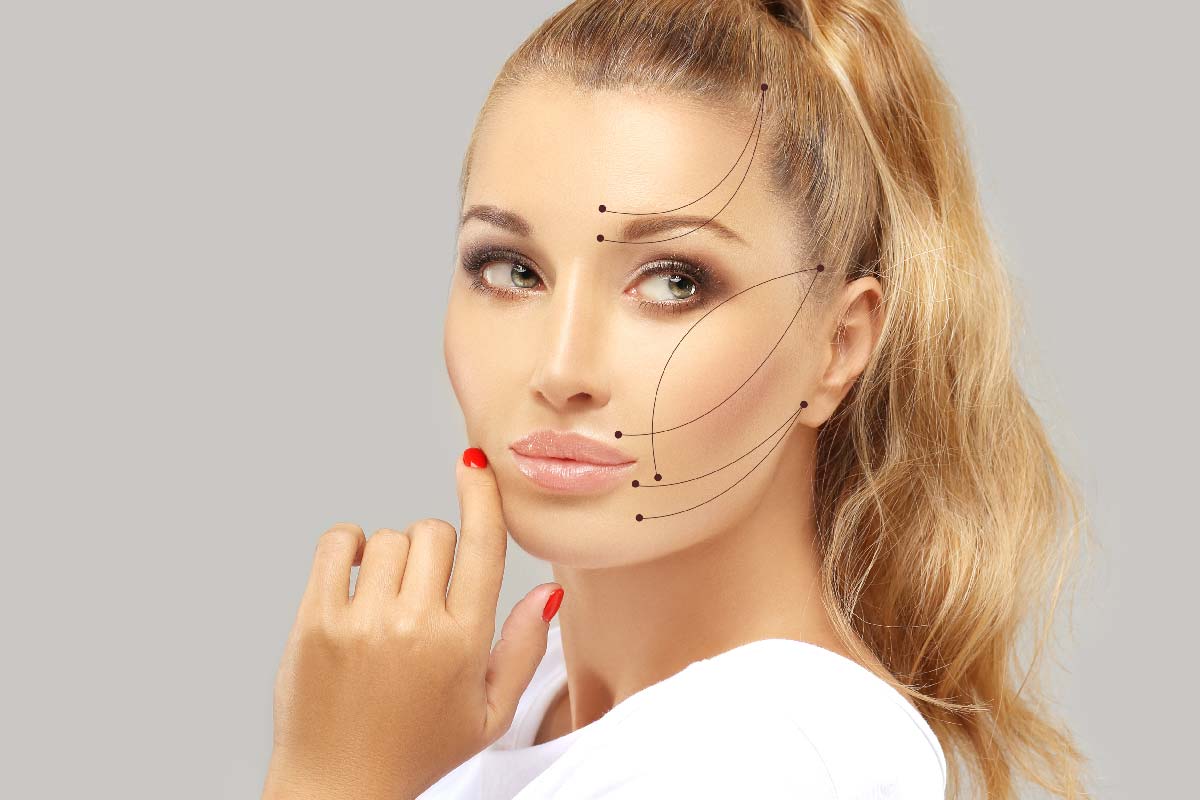
Thread lifts, often referred to as “lunchtime facelifts,” have gained popularity as a minimally invasive alternative to traditional surgical facelifts. This procedure aims to lift and tighten sagging facial skin using temporary sutures, offering a rejuvenated appearance without the extensive downtime associated with surgery. We will delve into the intricacies of thread lifts, exploring their benefits, potential risks, costs, and what you can expect during and after the procedure.

Understanding Thread Lifts

A thread lift involves the insertion of dissolvable threads beneath the skin to lift and support sagging areas, particularly around the cheeks, jawline, and neck. These threads not only provide an immediate lifting effect but also stimulate the body’s natural collagen production, enhancing skin firmness over time. The procedure typically takes about 45 minutes to an hour and is performed under local anesthesia, allowing patients to return to their daily activities relatively quickly.

Benefits of Thread Lifts

1. Minimally Invasive: Unlike traditional facelifts, thread lifts require no large incisions or extensive tissue manipulation, resulting in minimal scarring and a quicker recovery.

2. Natural-Looking Results: The subtle lift provided by the threads offers a more natural enhancement compared to some surgical facelifts, which can sometimes appear overly tight or artificial.

3. Collagen Stimulation: The presence of the threads encourages the body to produce collagen, a protein essential for maintaining skin elasticity and firmness. This leads to prolonged improvement in skin texture and tone.

4. Quick Recovery: Most individuals can resume their normal activities within a few days post-procedure, making it a convenient option for those with busy lifestyles.

5. Cost-Effective: Thread lifts are generally more affordable than traditional facelifts, making them accessible to a broader range of people seeking facial rejuvenation.

Potential Risks and Considerations

While thread lifts are considered safe, they are not without potential risks and side effects. It’s crucial to be aware of these before deciding to undergo the procedure:

1. Infection: As with any procedure involving skin penetration, there’s a risk of infection. Ensuring the procedure is performed in a sterile environment by a qualified practitioner minimizes this risk.

2. Thread Migration or Extrusion: In some cases, threads can move from their original position or become visible under the skin. This may require additional procedures to correct.

3. Asymmetry: Uneven lifting can result in facial asymmetry, necessitating further intervention.

4. Temporary Side Effects: Patients may experience bruising, swelling, or slight discomfort following the procedure. These effects typically subside within a few days.

5. Unsatisfactory Results: It’s essential to have realistic expectations. While thread lifts can provide noticeable improvements, they do not replicate the dramatic results of a surgical facelift.

Threads Procedure Overview

1. Consultation: A thorough discussion with our experienced doctors to assess suitability, discuss goals, and outline potential risks.

2. Preparation: The treatment area is cleansed, and local anesthesia is administered to ensure comfort.

3. Insertion of Threads: Using a fine needle or cannula, threads are inserted beneath the skin in predetermined areas to achieve the desired lift.

4. Adjustment and Trimming: Once in place, the threads are adjusted to ensure symmetry and the ends are trimmed.

5. Post-Procedure Care: Patients are provided with aftercare instructions, which may include avoiding strenuous activities and specific sleeping positions to optimize results.

Recovery and Aftercare

Recovery from a thread lift is relatively swift. Patients might experience mild swelling, bruising, or discomfort, which usually resolves within a few days. Applying cold compresses can help alleviate these symptoms. It’s advisable to avoid excessive facial movements, strenuous exercise, and sleeping on the treated areas for at least a week post-procedure. Following the aftercare instructions diligently is crucial for optimal healing and results.

Longevity of Results

The effects of a thread lift are not permanent. Typically, results last between 6 to 12 months, as the threads gradually dissolve, and the natural aging process continues. However, the collagen stimulation induced by the threads can have longer-lasting benefits on skin texture and firmness. Some patients may have shorter lasting results due to their underlying skin quality and pre-treatment condition.

How Much Does a Thread Lift Cost?

You can book a free consultation with our doctors by clicking this to book your free thread lift consult. The cost of the thread lift will depend on the type of thread used and number of threads required. Our doctors at CLNQ who provide thread lifts in Manchester and Cheshire will provide a quote for your desired outcome.

Thread Lift Before and After

The photo below shows the results of a patient that has undergone a thread lift procedure. You can see from the before and after thread lift photos the improvement in the jawline, shape of the face and improvement in the saggy skin. The marionette lines or mouth to chin lines have been improved by the threads.

Choosing a Qualified Thread Lift Doctor

Selecting a skilled and experienced doctor is paramount to the success of a thread lift. Ensure that the doctor is GMC registered with relevant medical experience and has a track record of performing thread lifts. Reading reviews, viewing before-and-after photos, and seeking recommendations can aid in making an informed decision.

Conclusion

Thread lifts offer a viable solution for individuals seeking to address mild to moderate facial sagging without undergoing traditional surgery. While the results are not as dramatic or long-lasting as a surgical facelift, the benefits of minimal downtime, reduced risks, and natural-looking outcomes make thread lifts an attractive option for many. As with any cosmetic procedure, thorough research, realistic expectations, and choosing a qualified doctor are key to achieving satisfactory results. You can book a free consultation with our tram to discuss your goals further.

When it comes to taking care of your health, understanding your options is crucial. In the United Kingdom, you have two main routes for general practitioner (GP) care: the National Health Service (NHS) and private GP services. Each has its own advantages and disadvantages, and choosing the best one for you depends on your personal …

When it comes to taking care of your health, understanding your options is crucial. In the United Kingdom, you have two main routes for general practitioner (GP) care: the National Health Service (NHS) and private GP services. Each has its own advantages and disadvantages, and choosing the best one for you depends on your personal circumstances, preferences, and health needs. We discuss the key differences between private GPs and NHS GPs and offers guidance on how to find a private GP in Manchester. We will also explore various factors to consider when selecting a healthcare provider, such as waiting times, cost, convenience, and the range of services available.

Understanding GP Care in the UK

In the UK, GPs are often the first point of contact for patients with health concerns. According to research, timely access to primary care is crucial for early detection of illnesses, effective management of chronic conditions, and improved patient outcomes. Typically, an NHS GP provides a broad spectrum of services from diagnosing common illnesses and prescribing medication, to referring patients to secondary or specialist care if needed.

A private GP also offers these essential services but with some notable differences that can influence an individual’s overall experience. Below, we examine how NHS GPs and private GPs compare across key areas like accessibility, cost, and the scope of services.

Key Differences Between Private GPs and NHS GPs

Appointment Accessibility and Waiting Times

One of the most significant distinctions between an NHS GP and a private GP is how quickly you can get an appointment. The NHS is a large, state-funded system that caters to millions of people, and demand can be high. As a result, NHS GP appointments may involve waiting days or sometimes weeks for a routine consultation. This can be inconvenient for those with busy schedules or pressing health concerns that do not necessarily meet the criteria for emergency care.

In contrast, a private GP often offers same day appointments or next-day slots. This can be immensely beneficial if you require quick medical attention but do not necessarily need urgent A&E care. If you search for a private GP Manchester UK or a same day doctor Manchester, you will likely find clinics advertising flexible appointment times and walk-in availability. For many patients, the convenience of short notice appointments is a major driver to choose private healthcare.

Consultation Length

An NHS GP appointment typically lasts around 10 minutes. This time constraint can sometimes limit the scope of discussion and the depth of advice you receive on a single visit. Private GP practices usually allow for longer consultations, often 20 minutes or more, enabling a more thorough examination and in-depth discussion of your health concerns. Having additional time with your doctor can foster a stronger doctor-patient relationship, enhance trust, and ensure any issues are fully explored.

Range of Services

Both NHS GPs and private GPs can handle routine check-ups, vaccinations, minor procedures, and the management of chronic conditions. However, private GP services may offer extended or more specialised treatments in-house—such as detailed health screenings, bespoke diagnostic tests, or enhanced wellness programmes—without the need for a referral. Additionally, a private GP clinic often provides advanced blood tests, imaging, and other diagnostic procedures with faster turnaround times. Our team at CLNQ, have access to referral to private investigations including specialised scans or imaging which can be done with very little waiting time.

For those seeking specialised services such as mental health support, travel vaccinations, or comprehensive annual health checks, a private medical clinic Manchester such as CLNQ might be able to provide a more convenient ‘all-in-one’ service. The ability to access a variety of specialist treatments under one roof can be attractive to individuals who prefer seamless continuity of care.

Cost

NHS healthcare is free at the point of use for UK residents, funded through taxation. This makes it accessible and budget-friendly for the majority of the population. Private GP consultations, on the other hand, come at a direct cost to the patient. Appointment fees can vary significantly based on the clinic, the length of the appointment, and the services provided.

When exploring how much is a private doctor, you might encounter fees ranging from around £70 for a short consultation, up to £150 or more for a longer or more specialised appointment. Diagnostic tests, prescriptions, and additional procedures come at extra cost. Health insurance may cover part or all of these expenses, depending on your plan. Before you book a private GP appointment, always check fees and any insurance coverage to ensure you understand the potential costs. At CLNQ, we offer private GP appointments from £100. We also offer some annual membership packages that may be a more cost effective.

Referral Pathways and Specialist Care

Both NHS and private GPs can refer you to specialist care. An NHS referral means you will be placed on a waiting list if the speciality is in high demand. With a private GP, you can often be referred to a private consultant or specialist quickly, sometimes bypassing the longer waiting times typically seen in the NHS. If you have private medical insurance, these specialist costs might be partly or wholly covered.

Continuity of Care

If you see an NHS GP regularly, they usually keep a complete record of your medical history within a single system accessible to other NHS departments if you need additional treatment. However, for patients who move around frequently or whose local NHS practice has very high patient volumes, it can be challenging to see the same GP each time.

Private GPs, like CLNQ in Manchester and Cheshire, often run smaller practices, meaning it can be easier to see the same doctor each visit, promoting continuous and personalised care. Many people value the ability to develop a close doctor-patient relationship over time, with a GP who knows their medical history in detail.

Why Consider a Private GP in Manchester?

Manchester is a thriving city with a growing population, which inevitably places high demand on local NHS GP practices. Consequently, waiting times for routine appointments might be longer, prompting many to explore private GP services.

• Convenient Locations: If you search for “walk in clinic Manchester” or “private walk-in clinic near me”, you will likely find CLNQ which is located in New Jackson around Central Manchester, Didsbury, Fallowfield, and Rusholme. Our private clinic offers extended opening hours and weekend appointments.

• Rapid Appointments: A private GP in Manchester can offer same-day or next-day appointments. This can be extremely beneficial for working professionals with limited availability.

• Personalised Care: Private GP clinics often guarantee longer appointment times, ensuring you have the opportunity to discuss all aspects of your health without feeling rushed.

• Flexible Services: From wellness to comprehensive health screenings, CLNQ in Manchester offers a range of options to suit different lifestyles and health conditions.

The Importance of Holistic Care and Specialised Services

Modern healthcare places an increasing emphasis on a holistic approach, looking beyond specific symptoms to consider overall well-being. Research highlights the value of integrated primary care in improving patient satisfaction and health outcomes.

Private GP practices often strive to adopt a holistic model. This may include:

• Lifestyle Assessments: Longer appointments mean a GP can address diet, exercise, sleep habits, and stress management.

• Mental Health Support: Private clinics sometimes offer counselling or immediate referrals to mental health professionals.

• Preventative Care: Private GPs frequently promote preventative measures and screening tests, helping you to stay proactive about your health. At CLNQ, we offer a wide range of longevity treatments such as hyperbaric oxygen, vitamin drips, and ozone therapy.

• Nutrition and Fitness Guidance: Some clinics may have nutritionists, fitness experts, or physiotherapists on-site, allowing you to combine multiple elements of healthcare under one roof.

Finding the Right Private GP in Manchester

With numerous clinics available, how do you pick the most suitable private medical practice near me or the best private GP clinic for your needs?

1. Location: Start by narrowing down your geographic preferences. Do you need a provider close to work for quick midday appointments, or near home for easy family access? Searching for Manchester private clinicprivate clinic in Manchester, or private medical clinics near me is an effective first step. CLNQ is located in the heart of Manchester in the Deansgate Square development. This is within walking distance from the Deansgate Metro station.

2. Services Offered: Check the clinic’s website or call them to confirm they provide the services you need. For example, if you require a specialist referral, confirm they have partnerships with reputable consultants. If you need a walk-in facility, confirm that they can see you without an appointment.

3. Doctor Qualifications: Ensure the GPs are registered with the General Medical Council (GMC). Look for any additional certifications or specialties relevant to your health concerns. All of our GPs at CLNQ are GMC registered doctors.

4. Registration: Make sure the clinic is CQC registered which is the national agency that monitor healthcare facilities and ensures standards are met.

5. Costs and Insurance: Clarify the cost of appointments, tests, and treatments. At CLNQ, we offer transparent pricing for all treatments and services. We will ensure you are fully aware of the costs of all tests offered.

The Future of Private General Practice

Healthcare in the UK is constantly evolving. Although the NHS remains a cornerstone of public health, private practices continue to expand. This growth is driven by people seeking faster access, more personalised care, and additional services that might not be readily available at their local NHS practice. There has also been an expansion of online and telehealth services, offering virtual consultations for those preferring the convenience of remote healthcare.

In Manchester, the emergence of new private medical centres, along with the expansion of existing ones, points to a sustained demand. Whether you are looking for a walk in center Manchester, a walk in general practitioner, or a private medical centre near me, you will likely find a variety of options catering to diverse healthcare needs. CLNQ is a leading clinic providing a diverse range of services including private GP appointments in Manchester.

Practical Tips for Transitioning Between NHS and Private GP Care

It is important to remember that you can still remain registered with an NHS GP while occasionally using private services. Here are a few tips if you plan to combine the two:

1. Keep Records Organised: If you receive tests or treatment privately, inform your NHS GP and request that copies of relevant medical records be shared. This ensures continuity of care.

2. Discuss Medication: If you are prescribed medication by a private GP, let your NHS GP know. They might continue prescribing that medication under the NHS if it is clinically indicated and approved.

3. Referrals: If your private GP advises specialist treatment, you may choose to access that treatment through the NHS, but be prepared for potential waiting lists.

4. Check Insurance Coverage: If you have private health insurance, know your policy’s limits to avoid unexpected bills.

Conclusion

Deciding between an NHS GP and a private GP in the UK boils down to a range of factors: waiting times, consultation length, cost, and the extent of services offered. The NHS is a remarkable institution providing free care at the point of use, but it can sometimes involve long waits and shorter appointment times due to high demand. A private GP, on the other hand, typically offers quicker access, longer consultations, and extra services—albeit at an additional financial cost.

Manchester is home to a wide array of private GP services, from private medical care Manchester clinics in the city centre to suburban practices in areas like Castlefield, New Jackson, Deansgate, Ancoats, Chorlton, and Didsbury. These clinics cater to individuals and families seeking convenience, quick appointments, and comprehensive, personalised healthcare. If you are searching for a private walk in clinic Manchester, a Manchester private GP, or simply the best private doctors near me, you have plenty of choices. By researching carefully, checking qualifications, and considering your specific needs—whether it is rapid appointments, specialist referrals, or holistic health checks—you can find a private doctor Manchester who meets your requirements. CLNQ offers private GP services in central Manchester.

How to discover your real age vs biological age and optimise your longevity Ageing is far more nuanced than simply counting birthdays. While your chronological age measures how long you’ve been alive, your biological age is an estimation of how “old” your cells and tissues are functioning. In other words, two people born on the …

How to discover your real age vs biological age and optimise your longevity

Ageing is far more nuanced than simply counting birthdays. While your chronological age measures how long you’ve been alive, your biological age is an estimation of how “old” your cells and tissues are functioning. In other words, two people born on the exact same day may have different biological ages if one has a healthier, more resilient body than the other. This distinction is vital in understanding healthy ageing and developing individualised strategies to slow down, or even reverse, some aspects of the ageing process.

In this comprehensive guide, we will explore the concept of chronological vs biological age, the different methods of measuring biological age (including GlycanAge, DNA tests, and other longevity markers), and the lifestyle and medical interventions that may help reduce your biological age. We will also discuss some of the longevity treatments available at CLNQ, as well as address questions like “How do you calculate body age?” and “What is a biological age test?” By the end, you’ll know how to figure out your biological age, how to measure your biological age at home or in a clinic, and how to potentially shift your biological age downwards.

What Is Biological Age?

Your chronological age is straightforward: it’s the number of years since you were born. But your biological age (sometimes referred to as your physiological age or cellular age) is a measure of how well your body is functioning compared to the average population. Several factors influence your biological age:

1. Genetics: Certain genetic variations can predispose you to faster or slower rates of cellular ageing.

2. Lifestyle: Diet, exercise, smoking, alcohol consumption, and stress levels all play a significant role in how quickly your cells age.

3. Environment: Exposure to pollutants, toxins, and infections can accelerate cellular damage.

4. Medical Conditions: Chronic illnesses such as diabetes, cardiovascular disease, and autoimmune disorders can increase the rate at which your body ages.

When you ask, “What is my physical age?” or “How do I know my body age?”, you are essentially seeking to gauge your internal biology rather than your chronological years. This can be important because a person with a younger biological age than their chronological age may live longer with fewer health complications.

Why Measure Biological Age?

You might wonder, “Is chronological age the only true way to measure age?” From a legal standpoint, chronological age is the standard. However, measuring your biological age can provide you with personalised insights into your overall health and potential lifespan. Here are some key reasons to test your biological age:

1. Early Intervention: If your body age test reveals that your cells are older than expected, you can adapt your lifestyle and potentially slow or reverse some ageing processes.

2. Targeted Lifestyle Changes: Knowing your biological age can help you prioritise certain interventions—be it diet, exercise, or stress management—to address specific health concerns.

3. Motivation: Seeing tangible results (such as improved cellular function after a new exercise regimen) can be a powerful motivator for positive lifestyle changes.

4. Personalised Medicine: Modern healthcare is increasingly personalised. The more precise your health markers, like your biological age, the easier it is to tailor treatments.

As a society, we’re seeing more focus on anti-ageing and longevity—topics popularised by figures such as Bryan Johnson and the series “Don’t Die Netflix.” But beyond pop culture, there’s genuine scientific research on how measuring and reducing biological age may correlate with longer healthspans (the period of one’s life free from serious illness).

Methods to Measure Biological Age

If you’re curious about the best biological age calculator or how to measure your biological age at home, there are several approaches. The concept of a real age vs biological age test is broad, and each test has different advantages:

Epigenetic (DNA Methylation) Tests

• One of the cutting-edge methods for determining biological age is by analysing DNA methylation patterns. The Horvath Clock and other “methylation clocks” look at how your genes are chemically marked, which can correlate strongly with how your body is ageing.

• These tests are sometimes referred to as DNA tests for biological age or cellular age tests because they examine tiny molecular changes that accumulate over time.

• Because of their accuracy, they have become a gold standard in longevity research.

Telomere Length Testing

• Telomeres are the protective caps on the ends of your chromosomes. Each time your cells divide, telomeres shorten slightly.

• While telomere length can give insights, it is considered less comprehensive than DNA methylation clocks, as many factors influence telomere length.

• Still, a blood test for age determination through telomere length is one common approach to testing biological age.

GlycanAge

• GlycanAge tests analyse glycan molecules attached to your antibodies (IgG). Changes in these glycan profiles correlate with inflammation and immune system function—both strong indicators of accelerated or decelerated ageing.

• The GlycanAge validity has been supported by research indicating a relationship between glycan profiles, ageing, and the risk of various age-related diseases.

• GlycanAge is distinct from DNA methylation tests but can be complementary in providing a fuller picture of your biological age.

Biomarker-based Tests

• Certain blood tests for biological age measure key markers like inflammatory cytokines, cholesterol, fasting glucose, and hormones.

• While these tests can be helpful, they may not be as comprehensive or precise as epigenetic clocks.

• Nonetheless, they can give you a snapshot of how well your body is managing metabolic processes.

Online Calculators & Surveys

• A variety of biological age calculators use lifestyle questionnaires combined with basic biometrics (weight, height, blood pressure). Some market themselves as free biological age tests or biological age test online.

• These are often quick, but they can lack precision. While they can be fun, they are no substitute for clinically validated tests like DNA methylation or GlycanAge analyses.

How to Determine Your Biological Age

Clinical Testing

If you’re serious about finding out “How old is my body?” or “What is my actual age in biological terms?,” a clinical setting is ideal. Many healthcare providers and specialised longevity clinics offer validated tests such as:

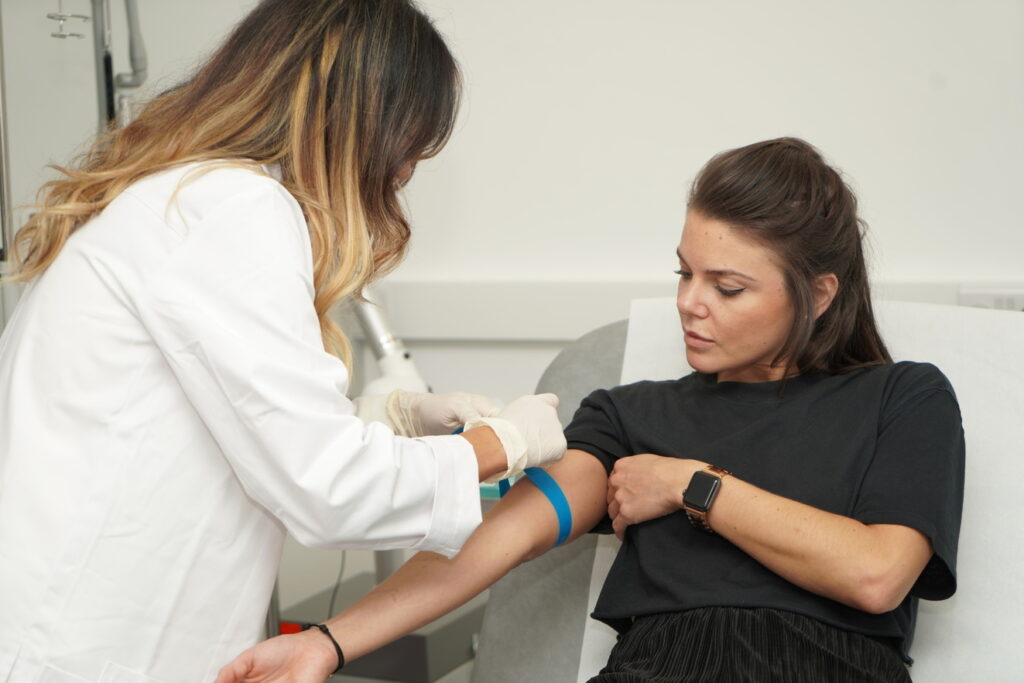
• Blood test to determine biological age

• GlycanAge or other glycan-based biomarkers

• DNA methylation tests

• Telomere length analysis

At CLNQ, we offer the GlycanAge test and consultation with our longevity doctors who will discuss your health and undertake some screening questions.

Are Biological Age Tests Accurate?

Are biological age tests accurate?” is a common question. Accuracy varies depending on the method. Epigenetic clocks and certain glycan-based tests like GlycanAge are considered among the most reliable. Online quizzes and surveys provide a rough estimate at best. Scientific literature, supports that DNA methylation analysis is a strong predictor of ageing. However, even the most accurate tests cannot predict your exact lifespan; rather, they provide a snapshot of how your body is performing relative to your chronological age.

Can You Reduce Your Biological Age?

A burning question for many is: “Can you reduce your biological age?” Studies indicate that while we can’t turn back the clock in a literal sense, positive lifestyle changes and certain medical interventions may lower key biological markers of ageing.

1. Diet

• A balanced diet rich in antioxidants, vitamins, and minerals helps reduce inflammation and oxidative stress—key drivers of ageing.

• Some research suggests that intermittent fasting or calorie restriction may lower biological age markers.

2. Exercise

• Regular aerobic and resistance training can help maintain muscle mass, reduce chronic inflammation, and improve cardiovascular health.

• Exercise has been shown to influence telomere length and DNA methylation patterns positively.

3. Stress Management

• Chronic stress can speed up ageing. Mindfulness, yoga, meditation, and adequate sleep are all vital for a healthy stress response.

• Lowering stress can have a beneficial impact on both hormone balance and immune function.

4. Sleep Quality

• Poor sleep is associated with inflammation, hormonal imbalances, and insulin resistance—all of which can accelerate ageing.

• Ensuring 7-9 hours of high-quality sleep can promote cellular repair processes.

5. Medical and Aesthetic Interventions

• Certain longevity and anti-ageing treatments can help slow ageing, though more research is needed in some areas. Supplements such as NAD+ boosters, antioxidants, and other compounds are under investigation.

• Hormone optimisation (under professional supervision), peptide therapies, and other regenerative treatments are also being explored for their potential to reduce biological age.

Longevity Treatments at CLNQ

For those seeking professional guidance, CLNQ offers a range of longevity treatments aimed at helping you determine your biological age, track it over time, and implement strategies to reduce it. The clinic provides a comprehensive approach:

1. Medical Assessment

• Full blood panels, screening for biomarkers of inflammation and metabolic health.

• DNA test or epigenetic analysis to measure your biological age accurately.

2. Lifestyle Coaching and Therapies

• Personalised dietary programmes, including guidance on intermittent fasting or macro-balanced meals.

• Exercise regimes tailored to improve cardiovascular health, muscular strength, and body composition. We also offer hyperbaric oxygen therapy which is a well established as an anti-ageing tool.

3. Hormone Optimisation

• Carefully supervised hormone treatments when medically indicated, to optimise levels of testosterone, oestrogen, or other key hormones.

4. Peptide & Stem Cell Therapies (Investigational)

• Emerging treatments that may help with tissue repair and regeneration, potentially reducing cellular wear-and-tear.

5. Nutraceuticals & IV Therapy

• Targeted supplements and intravenous nutrient therapy to support cellular function and detoxification. We offer iv NAD+ and ozone therapy.

CLNQ’s holistic approach addresses everything from mental well-being to physical optimisation, working on the premise that ageing is determined by multiple facets of your biology and lifestyle.

Practical Tips to Slow Ageing

Even if you haven’t done a biological age test calculator, these general tips can support healthy ageing and potentially shift your biological age in the right direction:

1. Stay Physically Active

• Aim for a mix of cardiovascular exercises (running, swimming, cycling) and resistance training (weights or bodyweight exercises) at least 3-5 times a week.

2. Eat Whole Foods

• Focus on fruits, vegetables, whole grains, lean proteins, and healthy fats. Limit processed foods high in sugar and trans fats.

3. Get Enough Sleep

• Aim for 7-9 hours of quality sleep. Poor sleep is linked to numerous ageing markers.

4. Manage Stress

• Techniques like meditation, journaling, and breathing exercises can significantly reduce chronic stress.

5. Monitor Key Health Indicators

• Regularly check blood pressure, blood sugar, and lipid profiles. Abnormalities in these areas can accelerate cellular ageing.

6. Avoid Harmful Habits

• Smoking, excessive alcohol use, and poor dietary choices are among the top accelerators of biological ageing.

Common Questions About Biological Age

Below are concise answers to frequently asked questions, covering many concerns people have when searching for how to calculate biological age or measure it:

1. How do you find your biological age?

• Through tests like DNA methylation analysis, telomere testing, or GlycanAge. You can also use online calculators for a rough estimate, but clinical tests are more precise.

2. What is a biological age test?

• It’s a method—lab-based or survey-based—to estimate how “old” your cells and body functions are compared to your chronological age.

3. How to test your biological age at home?

• Certain companies offer at-home kits using saliva or blood samples. You mail your sample, and they provide results online.

4. How do you calculate body age?

• Body age (or real age) is another term for biological age and can be calculated through blood tests, DNA tests, or even advanced scanning technology.

5. Can I take a free biological age test online?

• Yes, but these are typically questionnaires that provide rough estimates. For accuracy, seek a clinically validated test.

6. How is biological age determined by the body’s cells?

• By looking at molecular markers like DNA methylation, telomere length, glycan profiles, and other health indicators that reflect cellular wear-and-tear.

7. How do you know your biological age without lab tests?

• Lifestyle-based surveys or “biological age survey” tools can offer rough estimates. However, they lack the scientific precision of lab tests.

8. How can I reduce my biological age?

• Through lifestyle changes such as improved diet, regular exercise, better sleep, stress management, and certain medical interventions where suitable.

9. Are biological age tests accurate?

• Some are highly accurate (DNA methylation clocks, GlycanAge), while others (simple surveys) only offer estimates.

10. What longevity treatments are offered at CLNQ?

• CLNQ provides a personalised approach, including advanced diagnostics (DNA and glycan testing), hormone optimisation, IV therapy, and lifestyle coaching.

Embracing Longevity and Healthy Ageing

As more people become interested in optimising health and longevity, biological age testing has gained traction. Influencers, health enthusiasts, and everyday individuals alike are asking, “How old am I biologically?” and “How can I determine biological age effectively?” These questions reflect a paradigm shift from accepting chronological age as the only metric to acknowledging that our lifestyle and medical choices can impact the pace of ageing.

Bryan Johnson, for example, has popularised the notion of rigorous biomarker tracking and advanced interventions to slow ageing. His “Don’t Die on Netflix” highlighted how he strived to minimise his biological ageing process.

If you’re curious about “How to test for biological age?” or “What is my real age?,” remember that not all tests are created equal. For the most accurate assessment, consider established methods such as DNA methylation analysisGlycanAge, or advanced blood biomarker panels. These can give you a reliable snapshot of your cellular age, guiding you to tweak your lifestyle, diet, and perhaps even medical treatments to lower your biological age.

Final Thoughts

Understanding your biological age isn’t just a trendy pursuit; it has real implications for your long-term health and quality of life. While your chronological age is a fixed number, your body’s functional age can be influenced by the choices you make today. From how to measure biological age to implementing targeted lifestyle interventions and seeking professional guidance for longevity treatments, you have more power than ever to “turn back the clock” at a cellular level.

With options ranging from clinical tests like GlycanAge and DNA methylation profiling to more accessible online calculators, there’s a solution for everyone’s budget and lifestyle. As the science of longevity progresses, we may soon see even more effective ways to check biological age, accurately calculate real age, and discover personalised interventions for anti-ageing.

If you’re ready to take control of your health journey, consider partnering with a trusted clinic such as CLNQ. With a holistic programme that addresses everything from diet and exercise to advanced therapeutics, you can find out your biological age, potentially reduce it, and enjoy a healthier, more vibrant life. Remember, knowledge is power—once you know your biological age, you can strategise a plan to maintain or even improve it, aiming to live not just longer, but better. Book your longevity consultation today with our team of doctors.

Plinest polynucleotides are a revolutionary bioregenerative aesthetic treatment designed to rejuvenate the skin by stimulating natural collagen production, enhancing hydration, and improving tissue repair. Derived from purified salmon DNA, Plinest works at a cellular level to restore elasticity, reduce wrinkles, and improve overall skin texture. This innovative injectable treatment is gaining popularity for skin rejuvenation, scar healing, and anti-aging benefits, offering a non-surgical approach to improving skin quality and radiance. If you’re considering a natural yet effective way to enhance your skin, Plinest polynucleotides could be the perfect solution.

Plinest polynucleotides are a revolutionary bioregenerative aesthetic treatment designed to rejuvenate the skin by stimulating natural collagen production, enhancing hydration, and improving tissue repair. Derived from purified salmon DNA, Plinest works at a cellular level to restore elasticity, reduce wrinkles, and improve overall skin texture.

This innovative injectable treatment is gaining popularity for skin rejuvenation, scar healing, and anti-aging benefits, offering a non-surgical approach to improving skin quality and radiance. If you’re considering a natural yet effective way to enhance your skin, Plinest polynucleotides could be the perfect solution.

What Are Polynucleotides?

Polynucleotides are long chains of nucleotides, the essential building blocks of DNA and RNA. In aesthetic medicine, polynucleotides derived from salmon DNA have been found to stimulate fibroblasts, promoting collagen and elastin production, which are crucial for maintaining firm, youthful skin.

Unlike traditional dermal fillers, which focus on adding volume, polynucleotides focus on improving skin health from within. They work by:

• Enhancing tissue regeneration

• Boosting hydration and elasticity

• Reducing inflammation and oxidative stress

• Improving skin texture and tone

This makes them an ideal treatment for aging skin, acne scars, and overall skin quality enhancement.

What Is Plinest?

Plinest is a next-generation polynucleotide treatment developed by Mastelli, an Italian leader in regenerative medicine and distributed by Dermafocus. Unlike other polynucleotide-based injectables, Plinest uses the Mastelli PN-HPT® (Polynucleotide High Purification Technology), ensuring a higher degree of purification and superior biocompatibility.

Plinest is specifically designed for:

• Revitalizing aging skin

• Reducing fine lines and wrinkles

• Enhancing skin hydration and firmness

• Improving scars, stretch marks, and post-surgical healing

• Boosting skin elasticity and collagen production

This treatment is particularly effective for delicate areas like the face, neck, décolletage, and hands, where skin tends to lose volume and elasticity over time.

How Does Plinest Work?

Plinest works by triggering the body’s natural repair processes through biostimulation. The purified polynucleotides injected into the skin act as a scaffold for fibroblast activation, leading to:

1. Collagen and Elastin Stimulation – Plinest promotes the synthesis of these structural proteins, improving skin firmness and elasticity.

2. Deep Hydration – The treatment increases water retention, giving the skin a plumper, dewy appearance.

3. Anti-Inflammatory Effects – Polynucleotides help combat oxidative stress and free radicals, reducing inflammation and protecting the skin from premature aging.

4. Tissue Regeneration – Plinest enhances cell turnover and wound healing, making it an excellent treatment for scars, stretch marks, and post-procedural skin recovery.

Benefits of Plinest Polynucleotides

1. Natural Skin Rejuvenation

Unlike synthetic fillers, Plinest works with your body’s natural processes, ensuring a subtle, natural enhancement without over-volumization.

2. Deep Hydration

Polynucleotides increase the skin’s ability to retain moisture, making it particularly beneficial for dry, dehydrated, or mature skin.

3. Anti-Aging Properties

By stimulating collagen and elastin production, Plinest helps smooth fine lines and wrinkles, restoring a youthful glow.

4. Scar and Stretch Mark Improvement

Plinest is widely used for treating acne scars, surgical scars, and stretch marks, improving overall skin texture and tone.

5. Minimal Downtime

Plinest treatments involve quick, non-invasive injections with little to no downtime, making it an ideal lunchtime procedure.

Who Is Plinest Polynucleotide Treatment For?

Plinest is suitable for individuals who want to:

• Improve skin texture, elasticity, and hydration

• Reduce fine lines, wrinkles, and sagging

• Boost collagen production and tissue regeneration

• Enhance scar healing and reduce post-acne marks

• Achieve natural-looking, long-term skin rejuvenation

It is particularly beneficial for those experiencing:

• Aging skin with reduced elasticity

• Dry, dehydrated, or dull skin

• Scarring from acne, surgery, or injuries

• Dark circles and under-eye hollowness

• Sun-damaged skin

Plinest vs. Other Polynucleotide Treatments

Feature Plinest Nucleofill Rejuran (PN/PDRN)
Source Mastelli’s patented PN-HPT® (High Purification Polynucleotides) Non-crosslinked polynucleotides Polynucleotide from salmon DNA
Hydration High Moderate High
Skin Firming Excellent Best for lifting Good
Scarring Benefits Superior Moderate Good
Downtime Minimal Minimal Minimal

Plinest stands out due to its proven clinical research, superior purification process, and its ability to deliver deep tissue biostimulation with long-lasting results.

What Areas Can Be Treated with Plinest?

• Face – Enhances skin quality, reduces wrinkles, and boosts hydration.

• Neck & Décolletage – Firms sagging skin and improves texture.

• Hands – Restores youthful volume and hydration.

• Scars & Stretch Marks – Accelerates healing and smooths skin irregularities.

• Under-Eyes – Reduces dark circles and fine lines.

How Many Sessions Are Required?

Most patients require 3-4 sessions spaced 2-4 weeks apart for optimal collagen stimulation and skin regeneration. Maintenance treatments every 6-12 months help prolong the results.

Plinest Polynucleotide Results: Before & After

• Week 1: Improved hydration and skin plumpness.

• Week 4-6: Noticeable reduction in wrinkles and fine lines.

• Week 12: Maximum collagen regeneration, leading to firmer, more youthful skin.

Results continue to improve over time, making it a long-term solution for skin rejuvenation.

polynucleotides under eyes manchester

This patient underwent polynucleotide treatment with Dr Negar Sharafi

Plinest Polynucleotides vs. Traditional Fillers

Aspect Plinest Polynucleotides Hyaluronic Acid Fillers
Purpose Biostimulation & skin regeneration Volume restoration
Longevity 6-12 months 6-18 months
Hydration Deep, long-lasting hydration Temporary hydration
Collagen Stimulation Yes Minimal
Downtime Low Low

Unlike fillers, Plinest enhances skin health over time rather than just adding volume.

Plinest Polynucleotide Cost in the UK

The cost of Plinest treatments varies based on the clinic, practitioner expertise, and the number of sessions required. At CLNQ, a single session costs £300.

Conclusion: Is Plinest the Right Choice for You?

Plinest polynucleotides offer a natural, science-backed approach to skin regeneration, anti-aging, and tissue repair. Whether you’re looking to boost collagen, reduce wrinkles, or improve skin texture, this treatment provides long-lasting benefits with minimal downtime.

If you want to experience firmer, more radiant skin with a natural glow, Plinest could be your ideal aesthetic solution. At CLNQ, we offer expert-led Plinest polynucleotide treatments tailored to your unique skin needs. Book your consultation today to using our online booking system here.

We are delighted to welcome Dr Negar Sharafi to the team at CLNQ Manchester. Dr. Sharafi graduated in medicine with First Class Honours and began her career as an NHS doctor. Following her NHS work, she completed advanced training in aesthetic medicine and specialised as an Aesthetics Doctor. Driven by a passion for enhancing natural beauty, she combines precision, care, and a personalised approach to help clients achieve their aesthetic goals in a holistic way.

We are delighted to welcome Dr Negar Sharafi to the team at CLNQ Manchester. Dr. Sharafi graduated in medicine with First Class Honours and began her career as an NHS doctor. Following her NHS work, she completed advanced training in aesthetic medicine and specialised as an Aesthetics Doctor. Driven by a passion for enhancing natural beauty, she combines precision, care, and a personalised approach to help clients achieve their aesthetic goals in a holistic way.

dr negar sharafi clnq

Treatments by Dr Sharafi

Dr Sharafi delivers a wide range of aesthetic treatments at CLNQ from injectables to energy based devices. Some of her favourite treatments include:

Polynucleotides

Polynucleotides are used in aesthetics to treat signs of aging, improve skin texture, and enhance tissue regeneration. The polynucleotides treatment can be used for the under eyes to help rejuvenation, hydrate and reduce dark circles.

polynucleotides under eyes manchester

Brotox

Brotox is a term used to describe Botox treatments for men, reflecting the growing trend of male patients seeking non-surgical aesthetic enhancements. Like traditional Botox, Brotox involves injecting botulinum toxin into targeted facial muscles to reduce wrinkles, fine lines, and signs of aging. It is commonly used to smooth forehead lines, frown lines (glabellar lines), and crow’s feet, while maintaining a natural and masculine appearance.

brotox

Lip Fillers

Dr Negar Sharafi performs bespoke lip filler treatments to match your desired looks from subtle enhancements to more voluptuous lips.

dr negar sharafi lip fillers

Panfacial Dermal Fillers

The use of fillers for the face can provide a overall improvement of the ageing face. Dr Negar performs panfacial rejuvenation using a combination of fillers, polynucleotides and anti-wrinkle injections.

panfacial fillers dr sharafi

Profhilo

Profhilo is another favourite with Dr Sharafi to help rejuvenate the face and provide a more refreshed look to the skin. Profhilo is an injectable skin booster made of pure hyaluronic acid designed to hydrate, tighten, and rejuvenate the skin. Unlike traditional dermal fillers, it does not add volume but instead spreads beneath the skin, stimulating collagen and elastin production for improved skin quality.

profhilo before and after

Book Your Free Aesthetic Consultation Now

You can book to see Dr Sharafi at CLNQ Manchester in the evenings and weekends by calling us now or using the online booking system here.

Dr Kajal Babamiri has recently been to IMCAS Paris 2025 for one of the largest aesthetic and plastic surgery conferences in the world. This meeting features the latest innovation in techniques and technology in the field of aesthetics. The IMCAS (International Master Course on Aging Science) World Congress 2025 is a premier event in the fields of dermatology, plastic surgery, and aesthetic science.

Dr Kajal Babamiri has recently been to IMCAS Paris 2025 for one of the largest aesthetic and plastic surgery conferences in the world. This meeting features the latest innovation in techniques and technology in the field of aesthetics.

The IMCAS (International Master Course on Aging Science) World Congress 2025 is a premier event in the fields of dermatology, plastic surgery, and aesthetic science. The conference took place at the Palais des Congrès in Paris, this congress serves as a global platform for professionals to explore the latest advancements and innovations in medical aesthetics. The latest developments and hot topics included Polynucleotides and advanced techniques in fillers.

dr babamiri imcas paris

Key Speakers

The congress boasts a diverse lineup of esteemed professionals sharing their expertise. Notable speakers include:

• Dr. Nuttorn Narupaves (Thailand): A diplomate of the American Board of Hair Restoration, Dr. Narupaves will discuss advancements in hair restoration and regenerative medicine.

• Dr. Steven R. Cohen (United States): A renowned plastic surgeon, Dr. Cohen will share insights into innovative surgical techniques and the future of aesthetic surgery.

• Dr. Jeanine B. Downie (United States): A dermatologist focusing on skin tightening and non-invasive fat reduction, Dr. Downie will present the latest innovations in these areas.

• Dr. Kevin S. Sadati (United States): A facial plastic surgeon, Dr. Sadati will introduce his Preservation Facelift Technique, which combines principles of High SMAS and Extended Deep Plane facelifts to achieve natural, long-lasting results.

• Dr. Arthur Swift (Canada): Dr. Arthur Swift is a distinguished Canadian plastic surgeon based in Montreal, renowned for his contributions to aesthetic medicine. Dr. Swift is the founder of Swift Beauty, an educational platform dedicated to advancing medical aesthetics. Dr Kajal Babamiri had the pleasure of meeting Dr Swift and learning some of the latest techniques in injectables.

dr kajal babamiri arthur swift imcas paris

Relife Aesthetics

RELIFE is an innovative aesthetics company that combines expert precision, progressive technology, and timeless Italian style to offer holistic, evidence-based skincare and aesthetic treatments. As part of the Menarini Group, a pharmaceutical company with over a century of heritage and significant dermatological expertise, RELIFE develops advanced technologies and refined treatments tailored to meet individual needs at any age, ensuring subtle transformations that enhance natural beauty.  Dr Babamiri joined the Relife team in Paris at IMCAS.

dr babamiri relife imcas paris

Conclusion

The IMCAS World Congress 2025 in Paris represents a significant opportunity for professionals in dermatology, plastic surgery, and aesthetic science. Dr Babamiri looks forward to bringing back some of the latest products and advanced treatments to her patients at CLNQ.

Vaginal dryness is an extremely common concern that affects people of various ages, although it is especially prevalent during and after menopause. According to the NHS and the Cleveland Clinic, a lack of sufficient vaginal lubrication can lead to symptoms like itching, burning, discomfort, and painful intercourse. This dryness often results from declining oestrogen levels, though there are other contributing factors as well.

Vaginal dryness is an extremely common concern that affects people of various ages, although it is especially prevalent during and after menopause. According to the NHS and the Cleveland Clinic, a lack of sufficient vaginal lubrication can lead to symptoms like itching, burning, discomfort, and painful intercourse. This dryness often results from declining oestrogen levels, though there are other contributing factors as well.

Many people are surprised to discover just how many individuals experience vaginal dryness at some point in their lives. While it may feel uncomfortable to discuss, it is important to understand that there are various treatments for vaginal dryness, ranging from simple home remedies and lifestyle modifications to medical interventions like hormonal therapies, laser therapies, and radiofrequency treatments such as Votiva Forma V. We aim to provide you with evidence-based information, practical tips, and a balanced overview of both natural remedies for dry vaginal skin and more advanced clinical solutions.

What is Vaginal Dryness?

Vaginal dryness refers to the lack of adequate natural lubrication within the vaginal canal. Typically, the vagina maintains a slightly acidic environment, supported by healthy levels of oestrogen and beneficial bacteria (lactobacilli). These factors work together to keep the tissues of the vagina lubricated and healthy, ensuring the delicate mucous membranes are resilient against friction, dryness, and potential infection.

When the body’s natural lubrication diminishes, you may notice dryness, itching, burning, or pain, especially during intercourse. This can also manifest as dryness in the vulvar area, sometimes leading to sensitivity or even microtears of the tissue.


Why Does Vaginal Dryness Occur?

Dryness can arise for many reasons, including hormonal changes, certain medications, and underlying medical conditions. Although menopause is a prime cause of vaginal dryness, this issue can affect people of any age. Regardless of the cause, understanding the underlying factors is the first step in discovering how to cure a dry vagina and restore comfort and confidence.

Causes and Contributing Factors

Although hormonal fluctuations play a major role in vaginal dryness, they are not the only cause. Below are some common contributing factors:

1. Lower Oestrogen Levels

• Menopause, perimenopause, postpartum, and breastfeeding can cause significant declines in oestrogen, leading to dryness.

• Certain contraceptives and treatments for conditions like endometriosis may also reduce natural oestrogen levels.

• Surgical menopause (removal of ovaries) can lead to a sudden drop in oestrogen, causing severe dryness.

2. Medications

• Antihistamines, decongestants, antidepressants, and certain blood pressure medications can contribute to dryness.

• Cancer therapies, especially chemotherapy or hormonal therapy for breast cancer, may lower oestrogen levels.

3. Autoimmune Disorders and Other Medical Conditions

• Sjögren’s syndrome, for instance, is known for reducing moisture production in the body, including vaginal lubrication.

• Diabetes or thyroid imbalances can also impact hormonal regulation and lubrication.

4. Lifestyle Factors

• Smoking can constrict blood flow and contribute to dryness.

• Chronic stress can disrupt hormone balance, increasing the chances of dryness.

• Inadequate hydration or diets low in essential fatty acids can impact the body’s ability to maintain healthy mucous membranes.

5. Personal Care Products

• Harsh soaps, douches, and scented feminine hygiene products can irritate and dry out the vaginal tissue.

• Overuse of perfumed products can disturb the vagina’s natural pH balance and beneficial bacteria.

An understanding of these causes can help you identify what might be triggering or exacerbating your symptoms. From there, you can take steps to address the root cause of dryness, or seek professional advice if an underlying condition is involved.

Symptoms of Vaginal Dryness

Symptoms of vaginal dryness vary in intensity and frequency. Some people may only experience mild dryness or irritation, whereas others may have more persistent issues, such as:

1. Discomfort, Itching, or Burning

A persistent feeling of irritation or dryness in the vagina or vulva.

2. Painful Intercourse (Dyspareunia)

Insufficient lubrication can make intercourse painful, leading to microtears, bleeding, or soreness.

3. Changes in Vaginal Discharge

You might notice reduced discharge or a different consistency.

4. Vulvar or Vaginal Irritation

The skin around the vulva can become red, inflamed, or prone to chafing due to a lack of moisture.

5. Urinary Symptoms

Sometimes dryness can be associated with urinary frequency or urgency because oestrogen affects the health of the entire pelvic area.

If you notice any of these signs, or find yourself dreading sexual activity because of pain or dryness, it might be time to consider how to stop vaginal dryness and explore the variety of treatments or solutions available.

Lifestyle and Preventative Measures

While some causes of vaginal dryness may be out of your control, several lifestyle habits and choices can make a significant difference:

1. Stay Hydrated

• Drink plenty of water to keep mucous membranes healthy.

• Avoid excessive caffeine or alcohol, which may contribute to dehydration.

2. Choose Gentle Soaps

• Opt for non-scented, pH-balanced cleansers designed for sensitive skin to avoid stripping away natural oils.

• Refrain from using scented wipes or douching, as these can disrupt the vagina’s microbiome and lead to dryness.

3. Quit Smoking

• Smoking affects your circulation, which can reduce blood flow to the vaginal tissues, exacerbating dryness.

4. Manage Stress

• Chronic stress can lead to hormonal imbalances, so activities like yoga, meditation, or even a brisk walk can help balance your overall wellbeing.

5. Healthy Diet

• A balanced diet rich in vitamins, minerals, and essential fatty acids supports hormone regulation and healthy skin, including vaginal tissues.

6. Use Lubricants and Moisturisers

• Even if you are not experiencing severe dryness, water-based lubricants can help maintain comfort during intercourse and prevent friction.

Lifestyle changes may help prevent or lessen mild dryness. However, if you have persistent symptoms or dryness linked to medical conditions or menopause, you might require more targeted remedies for vaginal dryness.

Natural Remedies for Vaginal Dryness

Many individuals prefer to start with vaginal dryness natural remedies before turning to medications. While these methods may help with mild to moderate dryness, you should consult a healthcare professional if your symptoms become severe or persist:

1. Coconut Oil

• Coconut oil for vaginal dryness has become increasingly popular due to its moisturising properties and gentle nature.

• Ensure you select organic, unrefined coconut oil. Perform a patch test before regular use, as some individuals might be sensitive to oils.

2. Vitamin E

• Topical vitamin E suppositories or creams can help improve vaginal hydration, especially when dryness is related to mild hormonal changes.

• Studies in the National Center for Biotechnology Information (NCBI) database suggest that vitamin E can support skin integrity and reduce inflammation.

3. Aloe Vera

• Known for its soothing properties, aloe vera gel may help calm dryness-induced itching or burning.

• However, always use pure aloe vera and check for any added ingredients that could disrupt the vaginal pH.

4. Dietary Adjustments

• Foods rich in phytoestrogens (like soy, flaxseeds, or tofu) might help balance hormone levels naturally.

• Increasing your intake of healthy fats (avocado, nuts, seeds) supports the production of hormones involved in lubrication.

5. Pelvic Floor Exercises

• Kegel exercises can improve pelvic blood flow, which might assist with lubrication.

• A stronger pelvic floor may also help alleviate some of the discomfort associated with dryness during intercourse.

Natural cures for vaginal dryness can be a gentle and often cost-effective start. If these natural remedies for dry vigina do not offer the relief you need, it may be time to look at medical solutions, which often provide rapid, more comprehensive benefits.

Over-the-Counter Products & Pharmacological Options

For women seeking a quicker, more straightforward solution, several over-the-counter (OTC) products and prescription treatments for vaginal dryness are available:

1. Vaginal Moisturisers

• These are different from lubricants as they help retain moisture for longer periods. They are applied regularly, not only during sexual activity.

• Look for products that are glycerine-free and specifically formulated for feminine dryness.

2. Vaginal Lubricants

• These can reduce friction during intercourse, alleviating dryness and pain.

• Water-based lubricants are often recommended for sensitive skin, whereas silicone-based lubricants can provide longer-lasting slipperiness.

3. Oestrogen-Based Creams or Pessaries

• Localised oestrogen therapies involve applying a low dose of oestrogen cream or inserting a pessary directly into the vagina.

• These treatments act on the local tissues, minimising systemic absorption and improving dryness.

4. Non-hormonal Vaginal Gels

• Some gels use hyaluronic acid or other hydrating components to provide longer-term relief.

• They can be suitable for those who cannot or prefer not to use oestrogen treatments.

In many instances, these products can be combined with natural remedies for dry vulva to ensure optimal comfort. However, if OTC methods are insufficient for your symptoms, you may consider medical interventions like Hormone Replacement Therapy (HRT) or advanced procedures such as Votiva Forma V to address dryness more definitively.

Hormone Replacement Therapy (HRT) and Local Oestrogen Treatments

Does HRT help with vaginal dryness?

Hormone Replacement Therapy is often prescribed for menopausal symptoms, including vaginal dryness, hot flushes, and mood fluctuations. HRT or Bioidentical Hormone Replacement Therapy (BHRT) involves supplementing oestrogen (and sometimes progesterone) to replace the hormones your body no longer produces at sufficient levels.

1. Systemic HRT

• Usually taken orally, through skin patches, or via implants. It delivers hormones throughout the body to alleviate widespread symptoms of menopause.

• May positively impact vaginal dryness, but it can also carry a range of potential side effects.

2. Localised Oestrogen Therapy

• Includes vaginal oestrogen creams, rings, and pessaries. By localising the treatment, you often avoid systemic side effects and concentrate oestrogen precisely where it is needed.

• It is especially beneficial for dryness, thinning tissues, and painful intercourse.

If you are considering HRT or localised oestrogen treatments, consult your GP or gynaecologist for an individualised approach. They can evaluate your health history, hormone levels, and any underlying conditions to determine the best treatment for your dryness. It’s also important to note that while HRT can be highly effective, it may not be the ideal solution for everyone. This is where cutting-edge treatments like Votiva come into play.

Benefits of Votiva Forma V (Radiofrequency Treatment)

What is Votiva Forma V?

Votiva Forma V is an innovative, non-surgical radiofrequency (RF) treatment designed for vaginal rejuvenation and to address issues like laxity, dryness, and mild stress urinary incontinence. It utilises thermal energy to stimulate collagen production, improve blood flow, and restore tissue health.

How Does Votiva Forma V Work to Alleviate Vaginal Dryness?

1. Thermal Remodelling

• The controlled heat generated by radiofrequency encourages the production of collagen and elastin, essential for healthy, well-lubricated tissues.

• Over a series of sessions, patients often notice enhanced moisture, reduced itching or dryness, and improved comfort.

2. Improved Blood Flow

• The gentle heating effect increases local circulation, which can assist in naturally improving lubrication.

• Enhanced blood flow also helps nourish the vaginal tissues, strengthening their elasticity and resilience.

3. Minimal Downtime

• Unlike surgical interventions, Votiva Forma V is typically an outpatient procedure with minimal downtime. Many patients can resume everyday activities immediately.

• There is little to no discomfort during the treatment, making it a viable option for those wary of invasive measures.

Why Choose Votiva Forma V Over Other Treatments for Vaginal Dryness?

• Non-Hormonal Approach: It offers a non-hormonal remedy for vaginal dryness, making it suitable for those who cannot or prefer not to use oestrogen.

• Comprehensive Rejuvenation: In addition to improving lubrication, radiofrequency can address mild laxity and mild stress urinary incontinence, providing more comprehensive results.

• Quick Sessions: Treatment sessions are typically brief, often taking less than 30 minutes, and most people require a short course of treatments for optimal results.

Research featured in medical journals suggests that radiofrequency treatments can effectively improve vaginal dryness and sexual function, in part by enhancing collagen and microcirculation. The benefits of Votiva for vaginal dryness make this procedure a sought-after solution for those who desire a natural feel without relying solely on medication or topical treatments.

Other Medical Treatments and Procedures

While Votiva Forma V stands out among innovative treatments, you may also come across various other medical interventions for vaginal dryness and pain:

1. Laser Therapies (e.g., CO2 laser or Erbium:YAG lasers)

• Similar to radiofrequency, lasers stimulate collagen and revitalise vaginal tissues.

• Typically recommended for postmenopausal dryness, vaginal atrophy, and mild urinary incontinence.

2. Platelet-Rich Plasma (PRP) Injections

• PRP harnesses the patient’s own growth factors to promote tissue healing and collagen formation in the vaginal area.

• Current research is still expanding, though anecdotal evidence and some clinical studies suggest promising results for dryness and tissue repair.

3. Stem Cell Therapies

• An emerging field where stem cells or growth factors may regenerate vaginal tissue. More clinical trials are needed to fully establish safety and efficacy.

4. Pelvic Physiotherapy

• Specialised pelvic floor physiotherapy can address dryness and associated pain by improving muscle tone and circulation.

• Often recommended alongside other treatments to maximise comfort and sexual function.

Before committing to any procedure, ensure you seek professional medical advice to determine whether you are a suitable candidate and to discuss the potential benefits, risks, and expected outcomes. Combining advanced therapy with lifestyle changes and natural cures for feminine dryness may offer a holistic solution.

Frequently Asked Questions and Final Tips

Below are some common questions and final considerations regarding how to treat vaginal dryness effectively.

1. Is Vaginal Dryness a Normal Part of Menopause?

Yes, it is common. However, “common” does not mean you must simply accept the discomfort. There are numerous ways to prevent vaginal dryness and improve symptoms.

2. How Can I Increase Vaginal Lubrication Naturally?

Increase your water intake, prioritise a healthy diet with sufficient essential fatty acids, and try natural remedies like coconut oil or vitamin E. Sometimes adding a mild herbal supplement (under professional supervision) can help improve hormonal balance.

3. What Can I Use for Vaginal Dryness if I Prefer a Natural Approach?

Coconut oil for vaginal atrophy, vitamin E suppositories, aloe vera gel, and phytoestrogen-rich foods can all be gentle, natural options. However, you should monitor for any allergic reactions and speak with a healthcare provider if symptoms persist.

4. Why is My Vagina Extremely Dry Even Though I’m Young?

There can be many causes of a “dry vag” in younger individuals, including birth control, stress, or conditions like Sjögren’s syndrome. It’s crucial to investigate potential hormonal imbalances or underlying conditions with a healthcare professional.

5. How to Treat Vaginal Atrophy or Atrophic Vaginitis?

This condition involves thinning, drying, and inflammation of the vaginal walls, often due to reduced oestrogen. Treatments include local oestrogen therapy, hormone replacement therapy (HRT), or advanced methods like Votiva or laser therapy, depending on severity.

6. Can Over-the-Counter Creams Alone Cure Severe Vaginal Dryness?

OTC moisturisers and lubricants can provide significant relief, but if the dryness is severe or linked to an underlying health issue (like low oestrogen), you may need more targeted treatments.

7. Is There Any Way to Prevent Vaginal Dryness Altogether?

While it might not be possible to entirely prevent dryness, particularly if it is linked to menopausal changes, you can reduce symptoms by maintaining a healthy lifestyle, avoiding irritants, staying hydrated, and using recommended moisturisers or lubricants.

8. How Long Do the Results of Votiva Forma V Last?

Many patients report sustained improvements for several months or even a year after their initial treatment course. Periodic maintenance sessions may be recommended to maintain the results, depending on individual factors.

9. Can I Use HRT and Votiva Together?

Yes, in some cases, a combination approach might provide the best outcomes. HRT can balance hormones systemically, while Votiva improves the local tissue environment.

10. When Should I See a Specialist?

If dryness is negatively impacting your daily life, self-esteem, or intimate relationships, or if you experience severe pain, frequent infections, or bleeding, consult a gynaecologist or specialist. They can conduct a thorough examination and develop a personalised treatment plan.

Conclusion

Vaginal dryness is a multi-faceted issue that can significantly impact comfort, self-confidence, and intimacy. Fortunately, as knowledge and technology evolve, so do the solutions. From simple home remedies for vaginal dryness such as coconut oil, vitamin E suppositories, and aloe vera, to more advanced clinical interventions like Votiva Forma Vhormone replacement therapy, and laser treatments, there are myriad ways to address even extremely dry vag symptoms.

Lifestyle modifications—including a balanced diet, regular exercise, and stress reduction—play a foundational role in reducing dryness. Over-the-counter options and natural cures for feminine dryness can often provide quick relief, though they might need to be combined with hormonal or device-based interventions for long-term results.

The key is to seek professional advice when needed. A healthcare provider can help you identify the root cause—be it hormonal imbalance, medication side effects, or other health conditions—and recommend an individualised, comprehensive treatment plan. Innovative therapies such as Votiva Forma V are transforming how patients manage dryness and other issues, offering a targeted, minimally invasive remedy for vaginal dryness and pain. At CLNQ, we offer a range of treatments to aid vaginal dryness from BHRT to Forma V.

By understanding what causes vaginal dryness, taking steps to address modifiable factors, and exploring the array of treatments available, you can regain comfort, enhance your sexual wellbeing, and restore confidence. It’s time to break the taboo around vaginal dryness: speak openly about your symptoms, explore your options, and remember that help is readily available. You deserve a life free from dryness, discomfort, and worry—a life in which your intimate health is cherished and nurtured.

References

1. NHS: Vaginal Dryness

2. Cleveland Clinic: Vaginal Dryness

Acne is a common skin condition that affects millions of people worldwide. Whether you have experienced an occasional pimple or struggled with chronic acne for years, it can be both physically uncomfortable and emotionally distressing. One of the biggest challenges is figuring out what type of acne you have and why it appears in a particular area—such as on the chin, jawline, cheeks, or forehead. Understanding these nuances can lead to better prevention strategies, more effective treatments, and, ultimately, clearer skin.

Acne is a common skin condition that affects millions of people worldwide. Whether you have experienced an occasional pimple or struggled with chronic acne for years, it can be both physically uncomfortable and emotionally distressing. One of the biggest challenges is figuring out what type of acne you have and why it appears in a particular area—such as on the chin, jawline, cheeks, or forehead. Understanding these nuances can lead to better prevention strategies, more effective treatments, and, ultimately, clearer skin.

This comprehensive guide is designed to be both medically informative and easily understandable. We will walk you through the various types of acne breakouts on the face, the concept of the acne face map, and proven treatments. You will have a thorough insight into spots on the chin, cheek breakouts, forehead spots, and much more, helping you make informed decisions about your skincare routine and any medical interventions you might need.

Understanding Acne and Its Common Causes

Acne is an inflammatory skin condition primarily involving the pilosebaceous units—hair follicles and sebaceous glands. According to published scientific research, the key factors in acne formation are:

1. Excess sebum production: Sebum is the oily substance secreted by sebaceous glands. Overproduction can clog pores.

2. Abnormal shedding of dead skin cells: When dead cells do not shed properly, they accumulate with sebum, leading to blocked pores.

3. Bacterial overgrowth (Propionibacterium acnes/Cutibacterium acnes): This bacterium thrives in clogged pores and can trigger inflammation.

4. Inflammatory response: The immune system reacts to bacterial proliferation and blocked pores, causing redness, swelling, and discomfort.

Key Contributing Factors

• Hormonal changes: Particularly relevant for breakouts on the chin, jawline acne, and spots around the mouth. Fluctuations in sex hormones—especially androgens—can lead to increased sebum production. This is one reason many women notice more spots on their chin and jawline just before or during menstruation.

• Genetics: A family history of acne can predispose you to similar breakouts.

• Lifestyle habits: Diet, stress levels, skincare routines, and environmental conditions can all influence acne development.

• Medications: Certain drugs—like steroids or hormonal treatments—can exacerbate acne in some individuals.

Face Mapping: What Do Spots on Different Areas Mean?

Face mapping, sometimes referred to as the face pimple map or facial spot map, is the concept that the location of your breakouts on your face can provide clues about underlying issues. While it is not an exact science and varies from person to person, it can be a useful framework for identifying and addressing potential triggers.

Spots on the Chin and Jawline

Chin Breakouts and Chin Acne

• Often associated with hormonal fluctuations. If you keep asking yourself, “Why am I getting spots on my chin?” or “What do chin spots mean?”, the answer may be tied to hormonal activity, such as a spike in androgens.

• Stress can also stimulate cortisol release, potentially worsening chin breakouts.

• Spots around jawline or spots on jawline (sometimes called “jawline acne”) may be linked to insulin resistance or other metabolic factors.

Spots on the Jawline

• Jawline spots often come under the umbrella of hormonal acne. Chronic breakouts here may also suggest an issue with certain endocrine imbalances.

• In women, conditions like polycystic ovary syndrome (PCOS) can present with chin pimples or pimples on jawline that will not go away until the underlying hormonal imbalance is addressed.

Spots on the Cheeks

• Breakouts on Cheeks

• Cheek breakouts can sometimes be related to environmental factors—like a dirty mobile phone screen, pillowcases, or frequent touching of the face.

• Cluster of pimples on the cheek may signal an allergic reaction or sensitivity to a certain skincare product or makeup.

• Pimples on cheeks meaning can also be connected to respiratory issues and pollution in traditional face mapping, but scientific evidence remains scarce.

Forehead Spots and T-Zone Breakouts

• Forehead Breakouts

• The T-zone includes your forehead, nose, and chin and tends to be oilier because it has more sebaceous glands.

• Forehead spots meaning in face mapping is often linked to digestive or stress-related issues.

• Dandruff or product buildup (hair gels, sprays) can clog pores near the hairline, causing spots on the forehead.

• Breakouts in the T-Zone

• These areas have a high concentration of oil glands. Excess sebum or product buildup can easily clog pores, creating whiteheads, blackheads, and even cystic pimples.

Nose Breakouts

• Spots on the Nose or Nose breakout in some face-mapping traditions often relates to high blood pressure or stress. However, from a purely dermatological standpoint, the nose is also part of the T-zone, making it prone to excess oil and clogged pores.

• Whiteheads and blackheads commonly form on the nose due to large, easily congested pores.

Temples and Hairline

• Temple Spots or Spots on temples may be associated with product residue from hair products, hats, or headbands.

• High-friction areas and sweat buildup can irritate the skin and cause pimples on the temples.

• Spots on Hairline are sometimes referred to as pomade acne, these breakouts can occur due to hair styling products that block pores.

Types of Acne Lesions

Acne is not one-size-fits-all. Different lesions can appear for different reasons, and knowing what type you have is crucial to effective treatment.

1. Whiteheads (Closed comedones): Small bumps that appear white or flesh-coloured because the follicle is completely blocked.

2. Blackheads (Open comedones): Appear as black or dark brown spots due to oxidation of melanin in open pores.

3. Papules: Small, raised, red bumps indicating inflammation.

4. Pustules: Similar to papules but contain a visible pus-filled centre, often surrounded by red, inflamed skin.

5. Nodules: Hard, painful lumps beneath the skin, extending deeper than papules or pustules.

6. Cysts: Larger, pus-filled, and inflamed lesions that can be quite painful and may lead to scarring.

Causes of Breakouts in Specific Areas

Chin Breakout Causes

• Hormonal changes (menstruation, PCOS, pregnancy, menopause).

• Diet: High glycaemic index foods and dairy have been implicated in increased acne for some people (NCBI).

• Poor stress management leading to higher cortisol.

• Comedogenic skincare or makeup that clogs pores.

Spots on Jawline and Neck

• Excess Androgen Activity: Stimulates sebum.

• Mechanical friction: Clothes, phone pressing against the neck, or sports equipment.

• Inadequate cleansing around the jawline where product residue might accumulate.

Forehead Breakouts

• Hair products containing heavy oils, waxes, or silicones.

• Excessive sweating or hats, headbands that trap oils and bacteria.

• Stress leading to altered hormone levels and increased oil production.

Cheek Spots

• Mobile phone bacteria—frequent contact with phones harbouring bacteria.

• Unclean bedding—pillowcases can accumulate oil, sweat, and dead skin.

• Touching or picking—transfers bacteria to cheeks.

Spots Around the Mouth and Chin

• Lip balm or makeup with comedogenic ingredients can cause clogged pores around the mouth.

• Hormonal changes that typically appear in the perioral area.

• Toothpaste containing SLS (Sodium Lauryl Sulfate) can sometimes irritate skin around the mouth.

General Acne Treatments and Management

Effective acne management involves a combination of lifestyle modificationsskincare routines, and, in some cases, medical treatments. Below are widely recommended strategies:

Over-the-Counter (OTC) Products

1. Benzoyl Peroxide: Helps reduce bacterial load and inflammation. Often recommended for mild to moderate breakouts.

2. Salicylic Acid (Beta Hydroxy Acid): Exfoliates inside the pore, preventing and clearing blockages. Useful for blackheads and whiteheads.

3. Alpha Hydroxy Acids (AHA): Glycolic acid or lactic acid can improve skin cell turnover, helping with hyperpigmentation and mild breakouts.

Prescription Treatments

1. Topical Retinoids: Such as tretinoin or adapalene, help increase cell turnover, reduce clogged pores, and improve skin texture.

2. Antibiotics: Clindamycin or erythromycin can be used topically to reduce bacterial colonisation in milder cases or combined with oral antibiotics like doxycycline for more severe or widespread acne (NCBI).

3. Oral Contraceptives: Certain contraceptive pills can help regulate hormones, particularly beneficial for women with hormonal acne on the chin and jawline.

4. Anti-Androgens (e.g. Spironolactone): In women, spironolactone can block androgen receptors, reducing sebum production.

Lifestyle Changes

1. Dietary Adjustments: Some people find reducing dairy or high-glycaemic foods helps with spots on chin and cheeks.

2. Stress Management: Techniques like yoga, meditation, and adequate sleep can help regulate cortisol levels.

3. Hydration and Balanced Skincare: Using non-comedogenic moisturisers and cleansers, ensuring skin is neither overly dry nor overly oily.

4. Avoid Picking or Popping Pimples: This can worsen inflammation and lead to scarring or spread of bacteria.

Professional Treatments

1. Chemical Peels: Light chemical peels with AHAs or BHAs help remove the top layer of dead skin cells, unclog pores, and reduce the appearance of blemishes. At CLNQ, we offer a wide range of facial peels to suit your specific skin and needs.

2. Microdermabrasion: Exfoliates and polishes the skin to minimise scars and clogged pores.

3. Laser and Light Therapies: Laser treatments can target the deeper layers of the skin to reduce inflammation and bacterial growth. Blue light therapy, for instance, can be helpful for mild to moderate acne. Ablative or fractional lasers may be helpful for treatment of acne scarring.

4. Corticosteroid Injections: For particularly large, painful cysts or nodules—often used to quickly reduce inflammation.

5. Hydrafacial: HydraFacial is a professional skin treatment that uses a multi-step approach—cleansing, exfoliating, extracting impurities, and then infusing the skin with serums—to help tackle acne breakouts. The process begins with gentle exfoliation, which removes dead skin cells that can clog pores and contribute to spots. A mild chemical peel component, often incorporating alpha or beta hydroxy acids, loosens debris within the pores without causing the irritation sometimes associated with harsher peels. Next, a painless vacuum-like suction is used to extract blackheads, whiteheads, and excess sebum, thereby reducing the bacteria and oil build-up that can trigger inflammation and spots. Finally, the skin is infused with hydrating and calming serums called boosters, including antioxidants and peptides, to support the skin’s natural barrier and reduce post-treatment redness. Some studies on hydrodermabrasion—a technique similar to HydraFacial—highlight improvements in overall skin texture, as well as a reduction in the frequency and severity of breakouts. By thoroughly cleansing, exfoliating, and nourishing the skin, HydraFacial helps minimise acne formation and promotes a clearer, healthier complexion.

Specific Tips for Common Breakout Zones

How to Get Rid of Chin Acne

• Spot Treatments: Use a mild spot treatment containing benzoyl peroxide or salicylic acid.

• Hormonal Evaluation: If you experience chronic or severe chin breakouts, consult a doctor to rule out hormonal imbalances.

• Dietary Check: Eliminate or reduce suspected trigger foods, like excess sugar or dairy, to see if it helps.

• Reduce Touching: Try to keep your hands off your chin and avoid resting your face in your hands.

Jawline Acne Causes in Females and Management

• Hormone Testing: Conditions like PCOS may present with persistent jawline acne. Early detection can help manage the condition more effectively.

• Oral Contraceptives or Spironolactone: These can help regulate hormone levels. Always consult with a medical professional.

• Gentle Cleansing: Cleanse the jawline thoroughly to remove sweat and product buildup.

Forehead Breakout Tips

• Haircare: Choose oil-free or water-based hair products. Wash hair regularly to reduce excess oil.

• Headgear Hygiene: Clean hats, headbands, or helmets frequently.

• Stress Reduction: Forehead acne can sometimes flare up with stress; consider mindfulness or relaxation techniques.

Cheek Spot Strategies

• Clean Devices: Wipe your phone screen regularly with alcohol-based cleaners to prevent bacteria transfer.

• Change Pillowcases: Aim for twice a week to remove accumulated oils and bacteria.

• Minimal Contact: Avoid resting your face on your hand or pillow for extended periods.

Nose and T-Zone Solutions

• Steam or Warm Compresses: Helps loosen blackheads on the nose.

• Clay Masks: Absorb excess oil in the T-zone.

• Exfoliation: Gentle exfoliation with salicylic acid can keep pores clean.

Preventative Measures and General Skincare Recommendations

1. Choose Non-Comedogenic Products: Look for labels that say “oil-free,” “non-comedogenic,” or “non-acnegenic.”

2. Patch Test New Products: Apply new skincare or makeup to a small area behind your ear or on your jawline to see if it causes a reaction.

3. Maintain a Consistent Routine: Cleanse, treat (if needed), and moisturise. Over-cleansing can strip the skin’s natural barrier, exacerbating breakouts.

4. Sun Protection: Use a broad-spectrum sunscreen. Some acne treatments make the skin more photosensitive.

5. Regularly Clean Brushes and Applicators: Avoid transferring bacteria and old makeup residue to your face.

Advanced or Persistent Acne: When to See a Professional

If you have tried multiple strategies—lifestyle changes, over-the-counter products, and consistent skincare—and still find yourself plagued by persistent spots on the chin, breakouts on the cheeks, or severe jawline acne, you may need to consult a dermatologist or skin specialist. Watch out for:

• Signs of Scarring or Hyperpigmentation: Early intervention can prevent long-term skin damage.

• Cystic or Nodular Acne: These types of lesions can be painful and may not respond well to OTC remedies.

• Hormonal Symptoms: Irregular cycles, excessive facial hair, or thinning hair may indicate an endocrine disorder.

• Mental Health Impact: If acne is affecting your self-esteem or leading to anxiety or depression, seek professional support.

Frequently Asked Questions (FAQs)

Why am I getting spots on my chin and jawline all of a sudden?

Sudden chin breakouts can result from hormonal fluctuations, stress, or changes in your skincare routine. Sometimes a new product can also clog pores, leading to spots around the chin and jawline.

What do chin spots mean in face mapping?

In traditional face mapping, chin spots or chin zits cause are often linked to hormonal imbalances or stress. While not an exact science, it is worth monitoring hormonal changes—particularly if these breakouts flare during monthly cycles.

How do I stop spots on my chin when pregnant?

Pregnancy can cause hormonal shifts leading to chin pimples. Consult a healthcare provider before using acne products during pregnancy. Gentle, natural skincare and minimising stress can be beneficial.

What causes breakouts on cheeks and forehead at the same time?

Cheek and forehead breakouts can stem from a combination of oil overproduction, bacteria, and product build-up—especially if you frequently touch your face, wear heavy makeup, or use thick hair products.

Why is my forehead breaking out all of a sudden?

A sudden forehead breakout could be due to a change in hair products, increased stress, or a new hat or headband trapping sweat and oils. Examine any changes in your routine or lifestyle.

Does face mapping spots really help?

Face mapping can offer general guidelines for potential triggers but is not a substitute for medical advice. If breakouts persist or worsen, consult a professional.

How can I get rid of spots on the jawline and neck quickly?

Spot treatments with benzoyl peroxide, salicylic acid, or topical retinoids can help. Consistency is key, and in severe cases, oral medication or topical prescriptions may be required.

What if the spot on my nose won’t go away?

Persistent spots on the nose could be deeply clogged pores, cystic acne, or even a benign growth. Consult a dermatologist if it does not respond to standard treatments.

How to prevent acne scars on my cheeks?

Avoid picking or popping pimples, use sunscreen to prevent hyperpigmentation, and consider products like retinoids that promote cell turnover to minimise scarring risks.

Why do I have spots on neck meaning female, specifically?

Female neck acne can be influenced by hormonal changes (e.g., menstrual cycle, pregnancy, PCOS). Additionally, friction from clothing, scarves, or hair products can exacerbate the problem.

Holistic Approaches to Acne Management

While medical treatments and skincare routines are crucial, adopting a holistic perspective can improve outcomes and prevent future breakouts:

1. Dietary Considerations:

• Low Glycaemic Index Foods: Whole grains, legumes, and fibrous fruits and vegetables.

• Hydration: Sufficient water intake supports overall skin health.

• Potential Elimination Diet: Temporarily eliminate suspected triggers like dairy or sugar to gauge improvements.

2. Stress Reduction Techniques:

• Mindfulness: Meditation, deep breathing exercises to lower cortisol.

• Regular Exercise: Helps regulate hormones and improve blood circulation.

• Adequate Sleep: Insufficient sleep can disrupt hormonal balance, leading to flare-ups.

3. Topical and Environmental Adjustments:

• Clean Environment: Regularly clean items that come into contact with your face (e.g., phone screens, makeup brushes).

• Gentle Skincare: Over-exfoliation or harsh products can strip natural oils, triggering more oil production.

4. Professional Guidance:

• Allergy Testing: If you suspect product-based breakouts.

• Dermatological Therapies: More advanced treatments like micro-needling, chemical peels, or laser therapy may be recommended for persistent or severe acne.

Myths Versus Facts

Myth: Do Chocolate and fried foods always cause pimples? Though certain high-sugar or high-fat diets may worsen acne for some people, there is no universal rule. Individual responses vary.

Myth: Does Tanning help clear acne? Sun exposure can temporarily mask redness, but often leads to increased inflammation or dryness, which may worsen breakouts. Always use non-comedogenic SPF.

Myth: Do only teenagers get acne? Adult acne is increasingly common, especially jawline acne in females, and can appear well into the 30s, 40s, and beyond.

Myth: Do you have to scrub your face hard to get rid of spots? Over-exfoliating can strip natural oils, causing more oil production and potential microtears in the skin’s barrier.

Myth: The more products you use, the better your skin becomes. Layering too many products can irritate the skin and clog pores, leading to an even worse breakout.

Putting It All Together: A Sample Routine for Acne Care

Below is a sample daily routine incorporating many of the strategies discussed, aiming to address breakouts on cheeks, chin, jawline, and forehead:

1. Morning

• Gentle Cleanser: Use a mild, non-comedogenic cleanser to remove overnight oil.

• Toner or Micellar Water (Optional): Helps prep the skin for treatments if you’re prone to oil in the T-zone.

• Targeted Treatment: Apply a thin layer of a topical medication (e.g., benzoyl peroxide or salicylic acid) on problem areas like the chin and jawline, if prescribed or recommended.

• Moisturiser with SPF: Protect skin from UV damage with a non-comedogenic sunscreen or moisturiser containing SPF.

2. Evening

• Double Cleansing (If You Wear Makeup): First remove makeup with a gentle oil-based cleanser or micellar water, followed by a mild water-based cleanser.

• Active Treatments: If using retinoids or other prescription creams, apply them as directed.

• Moisturiser: A lightweight, non-comedogenic formula to hydrate without clogging.

3. Weekly Extras

• Exfoliation: Once or twice a week with a gentle chemical exfoliant (AHAs/BHAs).

• Mask: Clay or charcoal masks can help control oil in the T-zone, or hydrating masks for dryness in other areas.

4. Lifestyle

• Hydration: Aim for at least 6-8 glasses of water daily.

• Balanced Diet: Incorporate whole foods, proteins, and healthy fats.

• Routine Check-ups: Get hormonal levels checked if you suspect an underlying imbalance.

Conclusion

Understanding the types of acne breakouts and how they manifest on different areas of the face—such as spots on the chin and jawbreakouts on cheekstemple spots, and the infamous T-zone—is a powerful step toward achieving clear, healthy skin. While face mapping can offer pointers on chin breakouts causes and why you might be getting spots on your forehead, scientific evidence underscores the importance of a multifaceted approach: balanced skincare, potential dietary modifications, stress management, and when necessary, professional medical care.

Whether you are dealing with hormonal chin acne, clogged pores around the nose, or stubborn forehead breakouts, remember that consistency and patience are key. Effective acne management often requires trying several strategies—topical treatments, prescription medications, lifestyle changes—before finding what works best for you.

If acne starts to impact your self-esteem, or if you notice cystic pimples that are painful and persistent, do not hesitate to consult a skin specialist or dermatologist. With a bit of knowledge, the right skincare regime, and professional guidance, you can successfully navigate the world of acne. Ultimately, there is always a solution, and your journey toward clearer skin is entirely achievable. At CLNQ, we have an acne clinic in Manchester to help guide you and provide bespoke plans to help with your acne concerns.

References

1. Dréno B. Recent data on epidemiology of acne. Dermato-Endocrinology, 2014.

2. Melnik BC. Evidence for Acne-Promoting Effects of Milk and Other Insulinotropic Dairy Products. Nestle Nutrition Workshop Series Paediatric Programme, 2011.

3. Zaenglein AL. Guidelines of Care for the Management of Acne Vulgaris. Journal of the American Academy of Dermatology, 2016.

Tattoos can be a powerful form of self-expression—capturing emotions, memorialising life events, or simply enhancing your aesthetic. But with changing personal circumstances, shifting professional requirements, or evolving style preferences, many individuals find themselves seeking a reliable and permanent solution to erase their ink. While laser treatment remains popular, it is not the only path to clearing unwanted tattoos. Surgical tattoo removal, also known as tattoo excision, offers a definitive and immediate alternative, particularly attractive for those who need results quickly and effectively.

Tattoos can be a powerful form of self-expression—capturing emotions, memorialising life events, or simply enhancing your aesthetic. But with changing personal circumstances, shifting professional requirements, or evolving style preferences, many individuals find themselves seeking a reliable and permanent solution to erase their ink. While laser treatment remains popular, it is not the only path to clearing unwanted tattoos. Surgical tattoo removal, also known as tattoo excision, offers a definitive and immediate alternative, particularly attractive for those who need results quickly and effectively.

At our specialised clinics in Manchester and Cheshire, UK, we understand how crucial it is to have access to expert guidance, cutting-edge treatments, and swift results. Whether you are aspiring to meet stringent professional image standards—like those set by Emirates for their cabin crew—or you are simply ready for a change, we will walk you through everything you need to know about surgical tattoo removal. We will cover what it involves, how it compares to other removal methods, when it’s the best option, and what to expect during and after the procedure.

Why Consider Surgical Tattoo Removal in Manchester & Cheshire?

Manchester and Cheshire are home to world-class plastic surgery centres and aesthetic clinics offering a variety of treatments, including laser therapies, chemical peels, dermabrasion, and surgical excision. Surgical tattoo removal performed by a reputable consultant plastic surgeon ensures the highest standards of patient safety, comfort, and aftercare. Here in the North West of England, you can access a well-established network of medical professionals who have trained extensively in tattoo excision techniques.

Work Policy on Tattoos

If you have ambitions to work in certain profession that have specific work policies on tattoos then you may need to consider more rapid methods of tattoo removal. One frequent group of patients may be cabin crew, for example Emirates cabin crew. Emirates maintains high grooming standards, requiring their crew to project a polished, professional image at all times. Visible tattoos—those that cannot be covered by the standard uniform—are not permitted.

Key points include:

• No Visible Tattoos: Cabin crew uniforms expose certain areas such as arms and lower legs. Any tattoo in these visible regions may jeopardise your chance of joining the airline.

• No Exceptions for Cover-Ups: Unlike some employers who may allow discreet concealers or strategic clothing layers, Emirates generally holds a zero-tolerance approach to visible tattoos.

• Permanent Removal May Be Necessary: If you have a tattoo that could disqualify you from employment, surgical removal might be the most reliable option to ensure the ink is completely gone, rather than merely faded.

This stringent policy drives many prospective cabin crew applicants to explore fast, definitive tattoo removal methods—making surgical excision an appealing choice for those working to meet Emirates’ standards as quickly as possible.

Tattoo Removal Options: From Laser to Excision

Laser Tattoo Removal

Laser removal uses high-intensity light pulses to break down ink particles, which the body’s immune system then clears over time. While effective for a wide range of colours and skin tones, it can be time-consuming, often requiring multiple sessions spread over several months. Certain ink colours, like greens and blues, can be particularly stubborn. The advances in laser technology such as pico lasers have helped improve outcomes. This drawn-out process may not be ideal if you have a tight deadline—such as a pending job interview with Emirates or other workplace that has strict guidance on tattoos.

Surgical Tattoo Removal (Tattoo Excision):

Surgical tattoo excision involves physically cutting out the inked skin and stitching the wound closed. This provides a one-step solution for small tattoos, delivering immediate results. While it leaves a scar, it guarantees the permanent removal of the tattoo. For individuals who need a clean slate promptly—such as those applying to Emirates or needing to meet professional regulations—surgical removal is a compelling option. Some larger tattoos may require staged excision which again can take a few months between sessions.

How Can I Remove a Tattoo Quickly?

When speed is a priority, surgical tattoo removal shines. Unlike laser procedures that require repeated sessions, surgical excision can be completed in a single procedure for small tattoos. This approach eliminates the waiting period associated with gradual ink fading after laser treatments.

Advantages of Quick Removal with Surgery:

• Immediate Results: Once the tattooed skin is excised, the ink is gone instantly.

• One-Time Procedure: Suitable for small tattoos, you may only need one appointment, rather than multiple months of return visits.

• Ideal for Professional Deadlines: If you must meet certain appearance standards within weeks rather than months, surgical removal is the fastest route.

Considerations:

• Scarring: Surgical removal will leave a scar in place of the tattoo. For many individuals, this trade-off is acceptable, especially if the tattoo’s presence hinders a significant opportunity (such as a dream job with Emirates).

• Suitability for Smaller Tattoos: Larger tattoos may be challenging to remove in one go. Additional procedures, such as skin grafts or tissue expansion, might be required, making it more complex and time-consuming. Some will require staged excision and multiple procedures.

What Is Tattoo Excision?

Tattoo excision is the medical term for surgically removing a tattoo. During the procedure, a plastic surgeon cuts out the portion of skin containing the tattoo ink. The surrounding skin is then carefully stitched together, resulting in a linear scar. According to evidence-based medical literature and clinical studies, surgical excision is an effective method for removing ink permanently, especially in cases where laser treatments have failed or are not feasible.

Key Steps in Tattoo Excision

1. Consultation:

We will assess the size, location, and condition of your tattoo, as well as your skin type and overall health. We will discuss the likely scar outcome and help you weigh the pros and cons.

2. Anaesthesia:

A local anaesthetic is commonly used for small tattoos.

3. Removing the Tattooed Skin:

Using a scalpel, the surgeon carefully excises the tattooed area. If the tattoo is small and the skin around it is flexible, the surgeon can often close the wound easily.

4. Closing the Incision:

The surgeon stitches the wound closed with precision to minimise scarring. In some cases, a skin graft or tissue expansion may be required if the tattoo is too large to remove in one step. These are not usually offer in our clinic and will require general anaesthesia.

5. Aftercare and Healing:

Proper wound care, including cleaning, dressing changes, and sun protection, is vital for good healing. Scars typically mature over several months, fading from red to a lighter tone over time.

Which Tattoos Are Suitable for Surgical Removal?

Surgical excision works best for tattoos that are:

1. Small and Manageable:

Tattoos a few centimetres in diameter are ideal. The smaller the tattoo, the easier it is to remove without skin grafts.

2. Located in Areas With Sufficient Skin Laxity:

Regions where the skin can be pulled together easily, such as the upper arms, thighs, or shoulders, are more suitable for straightforward excision.

3. Where a Scar Is Preferable to the Tattoo:

If you find the presence of a scar more acceptable than the inked design, surgical removal is an excellent choice.

4. For Immediate, Guaranteed Results:

If your priority is to completely eradicate the tattoo swiftly, as in the case of meeting Emirates’ strict crew appearance requirements, surgical removal is a direct path to that goal.

Which Tattoos Are Not Suitable for Surgical Removal?

Some tattoos do not lend themselves well to surgical excision:

1. Extensive or Very Large Tattoos:

Removing large tattoos via surgery would require excising significant amounts of skin, risking excessive scarring and potentially multiple complex operations. Larger tattoos are often better treated initially with laser sessions to reduce their size and then consider surgical removal of the remainder.

2. Tattoos in Tight, Non-Elastic Areas:

If the tattoo is located in a region with limited skin elasticity (for example, areas over bone with thin skin and minimal excess tissue), closing the wound could be challenging without additional reconstructive measures.

3. Health or Healing Concerns:

Individuals with certain medical conditions that impair wound healing or those prone to keloid scars might not be ideal candidates for surgical removal. Always discuss your medical history with an experienced plastic surgeon to determine suitability.

Aftercare, Recovery, and Scar Management

Post-operative care is crucial for optimal healing. We will provide detailed instructions tailored to your situation. Common recommendations include:

• Gentle Wound Care:

Keep the area clean and dry, following your surgeon’s cleaning instructions. Avoid harsh soaps or scrubbing.

• Avoiding Sun Exposure:

Sunlight can cause hyperpigmentation and worsen scar appearance. Protect the healing area with clothing or sunscreen (once the wound has fully closed and healed).

• Monitor for Signs of Infection:

Redness, swelling, increasing pain, or discharge should be reported to your medical team immediately.

• Scar Management Techniques:

Once healing is underway, consider scar treatments like silicone sheets or gels. Ask your surgeon about additional treatments, such as laser therapy, to further refine the scar’s appearance over time.

When to Seek Professional Advice for Tattoo Removal

If you are considering surgical tattoo removal, it is essential to book a consultation with a qualified plastic surgeon. During this appointment, you can:

• Discuss Your Aims and Concerns:

Is it for career advancement, personal preference, or simply a fresh start? Understanding your motivation helps guide the treatment plan.

• Review the Tattoo’s Characteristics:

Size, location, and skin type all influence the feasibility and results of surgical removal.

• Set Realistic Expectations:

While surgical excision guarantees removal of the ink, you will be left with a scar. Your surgeon will help you understand what this scar might look like and what can be done to improve its appearance over time.

Conclusion: Embrace a Fresh Start with Surgical Tattoo Removal

Surgical tattoo removal stands out as a swift, decisive solution for those who need their tattoos gone—yesterday. Whether your goal is to meet Emirates’ no-visible-tattoo policy or simply to part ways with a tattoo that no longer resonates with you, this method ensures you leave the clinic free of unwanted ink, ready to embrace new opportunities and adventures.

While the procedure leaves behind a scar, many find this outcome preferable to months of repeated laser sessions and the uncertainty of partial ink removal. By entrusting your care to an experienced, reputable surgeon in Manchester and Cheshire, you can feel confident knowing your treatment is grounded in medical expertise, meticulous technique, and patient-centred care.

Explore this option further, book a consultation, and step into your future without the limitations of unwanted ink. With proper planning, careful selection of a skilled surgeon, and adherence to recommended aftercare, surgical tattoo removal could be your pathway to a clean slate. You can book your consultation online now by clicking the link https://bit.ly/clnqtattoo.

Pages

Confident. Beautiful. Empowered.

The Leading Aesthetic and Longevity Clinic in Manchester and Cheshire

We are dedicated to helping you achieve your health and wellness goals through our comprehensive range of personalized treatments and luxury approach. Whether you’re seeking to address specific concerns, enhance your appearance, or simply optimize your well-being, we have the solution. Our team of experts is passionate about creating a welcoming and supportive environment where you can feel comfortable and confident in your journey to a more radiant you. Don’t wait any longer to start your journey to optimal health and beauty.